

Artificial intelligence is everywhere — from smart assistants on your phone to algorithms deciding what you see on social media. It’s no surprise that AI is also transforming digital marketing. But does this mean AI will take over completely and push human marketers out of the picture?
The short answer: not exactly. AI is changing digital marketing in powerful ways, but it’s also creating entirely new opportunities for people who know how to use it. In this post, we’ll explore how AI is reshaping the landscape, what it can and can’t do, and how you can future-proof your career or business.
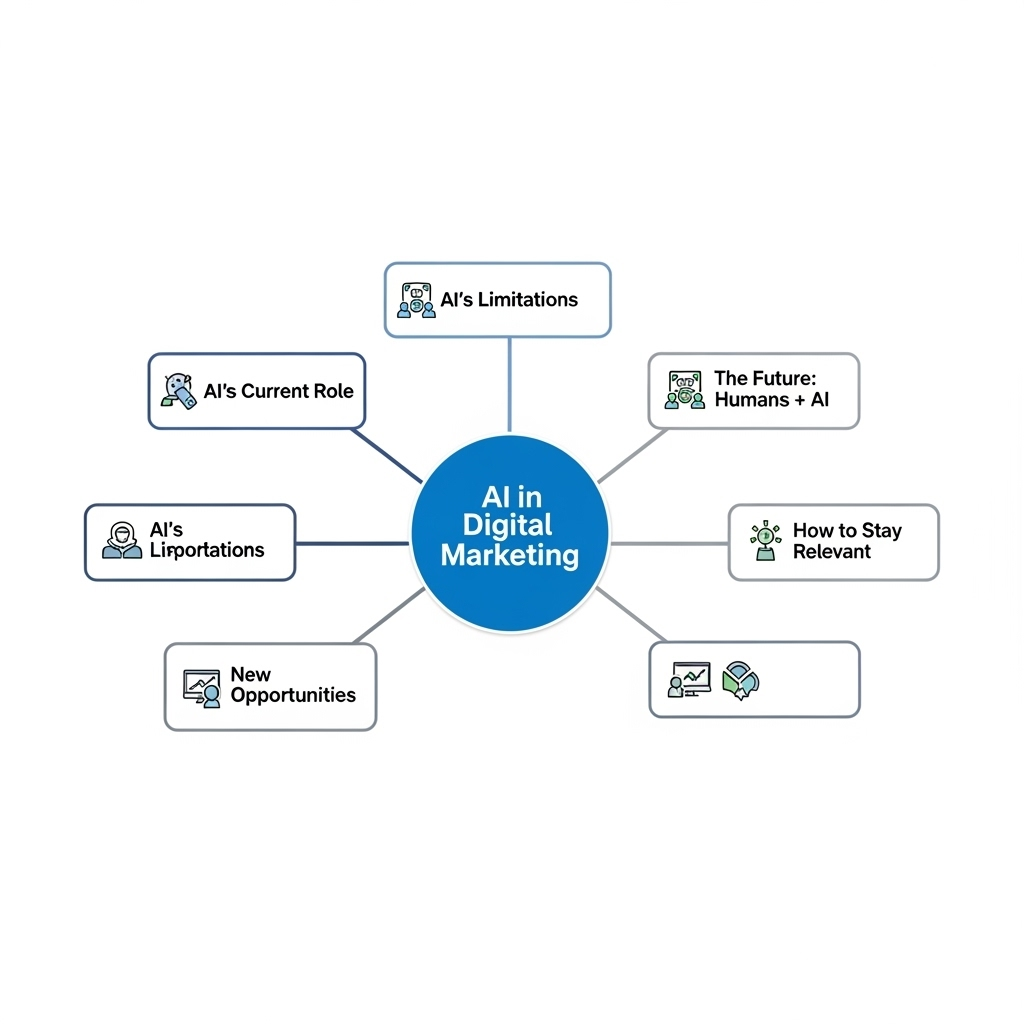
How AI Is Already Transforming Digital Marketing
AI is no longer futuristic — it’s already built into many of the tools you use every day.
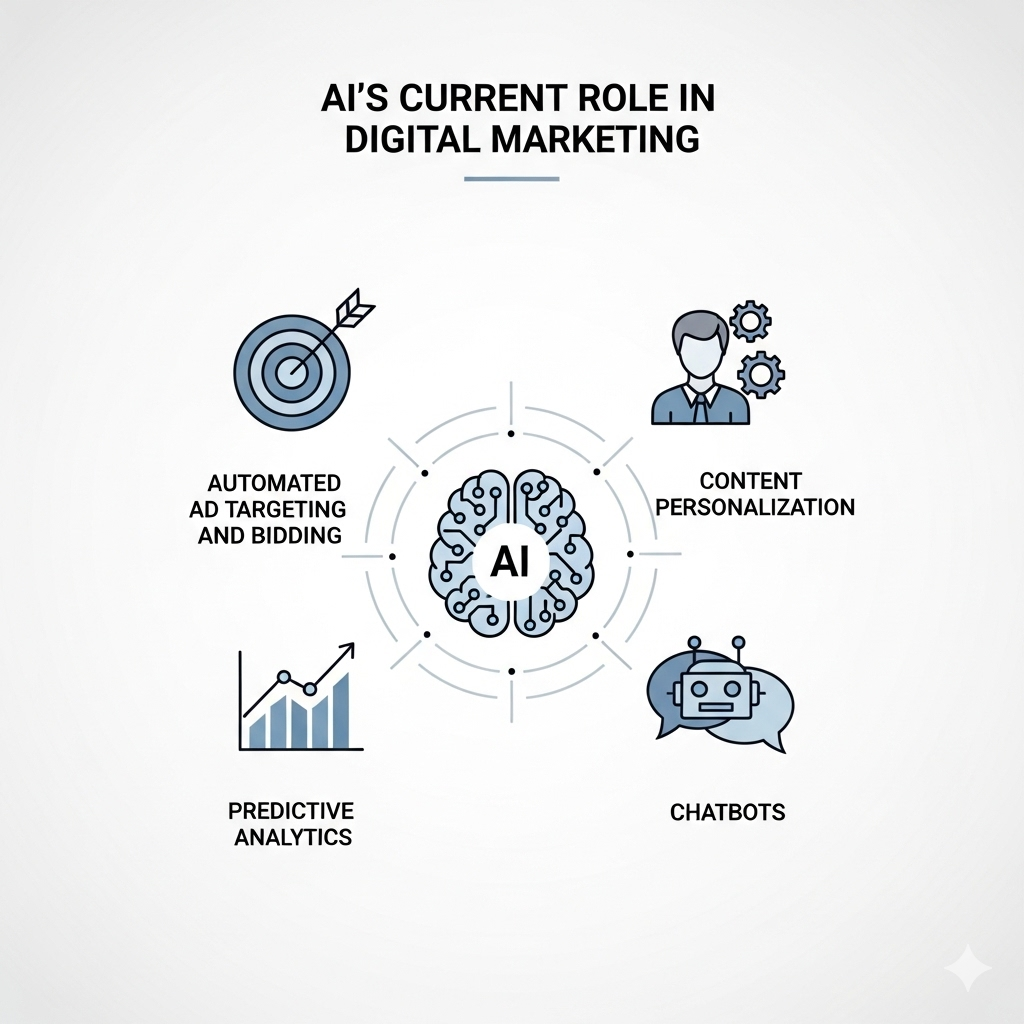
- Automated Ad Targeting and Bidding: Platforms like Google Ads and Meta Ads rely on machine learning to optimize targeting and bidding in real time, often outperforming manual settings.
- Content Personalization: AI analyzes browsing behavior and purchase history to deliver personalized recommendations, emails, and product suggestions.
- Predictive Analytics: Tools forecast customer behavior, letting marketers predict trends, improve retention, and fine-tune campaigns.
- Chatbots and Virtual Assistants: AI-driven bots handle customer service, FAQs, and even product recommendations 24/7.
- Content Generation and SEO Tools: AI writers and optimizers can draft blogs, ad copy, or meta descriptions, reducing time spent on repetitive tasks.
This technology saves time, cuts costs, and improves accuracy. But it’s not perfect — yet.
The Limits of AI in Digital Marketing
Despite its power, AI still struggles with some of the most important aspects of marketing:
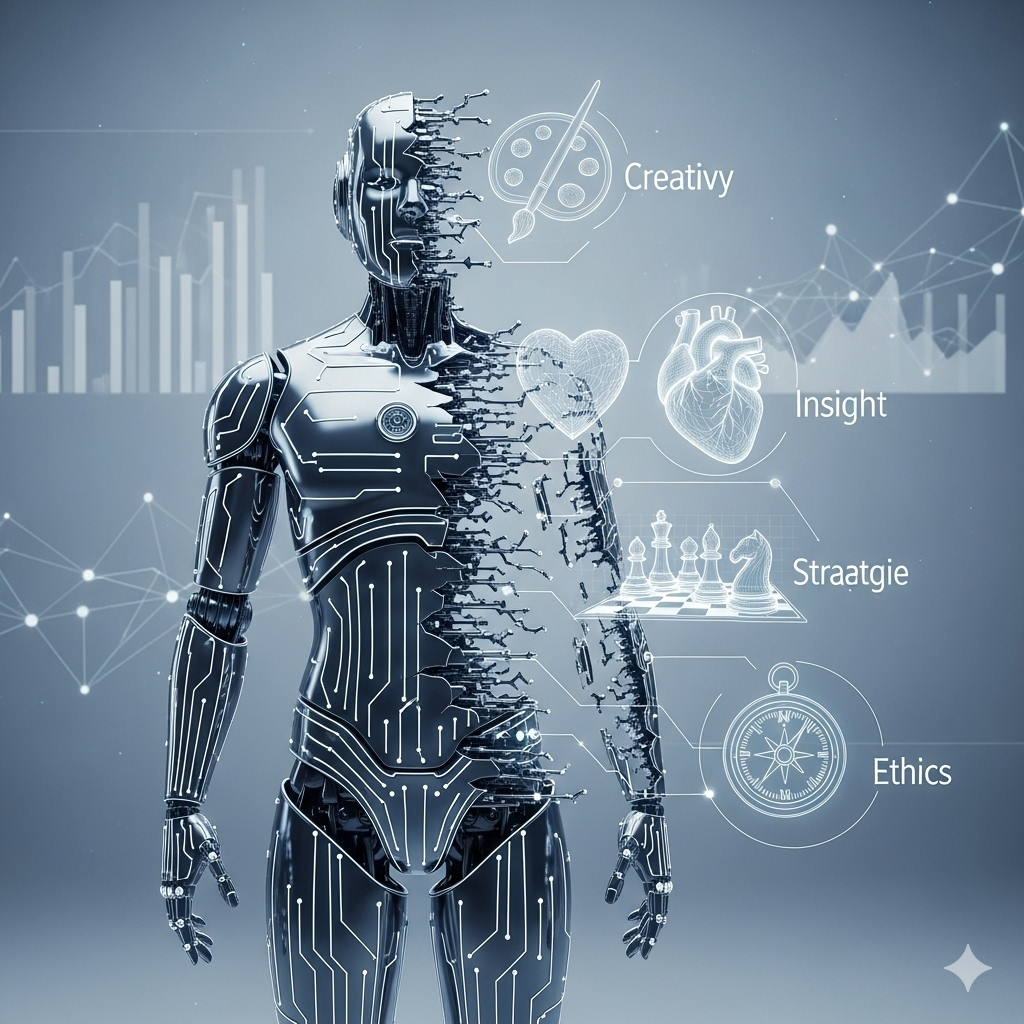
- Creativity and Emotional Insight: AI can generate copy or images, but it struggles with originality, tone, and cultural nuance. A human touch is still needed to resonate deeply with audiences.
- Strategy and Big-Picture Thinking: AI excels at executing tactics, but it doesn’t understand your long-term business goals or brand identity. Humans still set direction.
- Building Relationships and Trust: Marketing is about people. Trust, empathy, and authenticity come from human interaction — not algorithms.
- Ethics and Sensitivity: AI can inadvertently produce biased or insensitive content. Human oversight is crucial to keep messaging aligned with values.
Think of AI as a powerful assistant rather than a replacement. It’s great at analysis and automation, but humans bring the vision, empathy, and creativity that make campaigns unforgettable.
The Future: Humans + AI, Not Humans vs. AI
The real power lies in combining human marketers with AI tools. Here’s what that looks like:
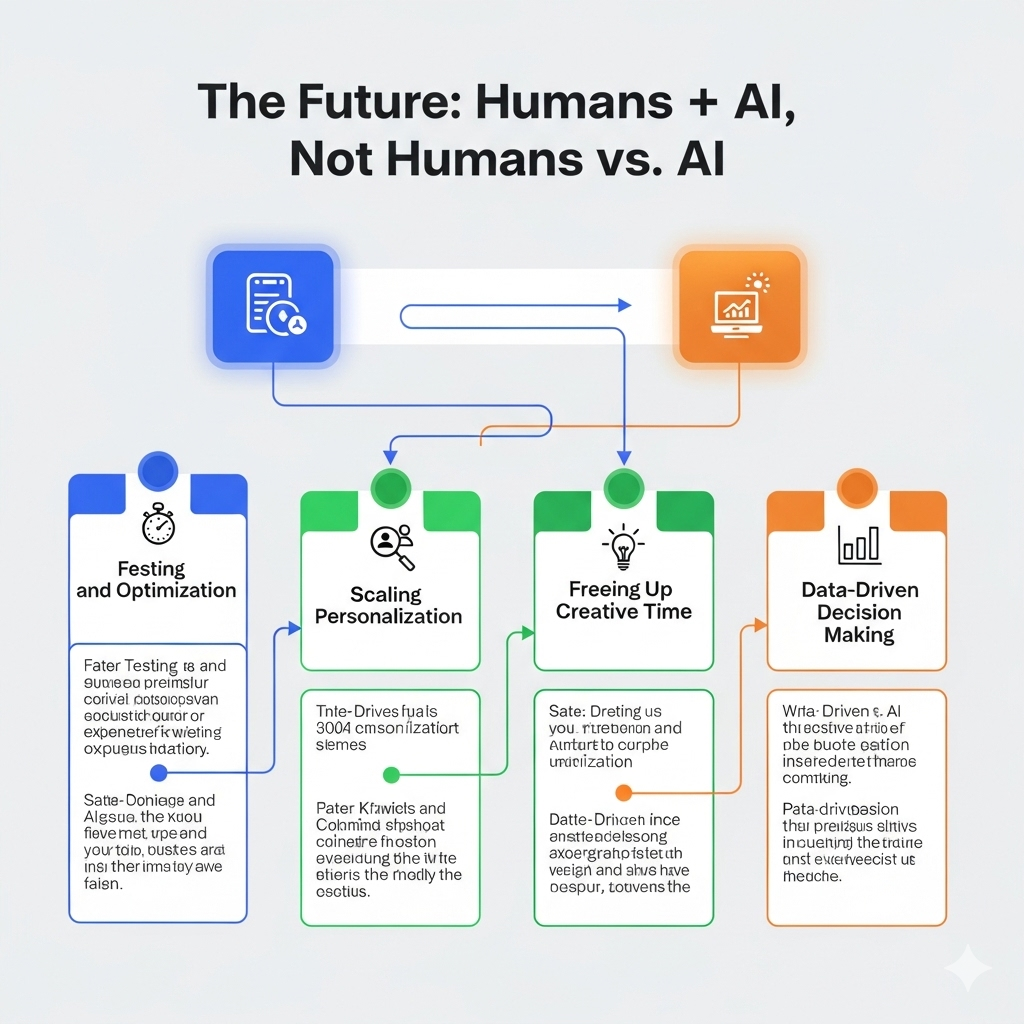
- Faster Testing and Optimization: AI can run multivariate tests at lightning speed, letting marketers see what works almost instantly.
- Scaling Personalization: AI can deliver hyper-personalized experiences at scale, something no human team could do manually.
- Freeing Up Creative Time: As AI handles repetitive tasks, marketers have more time to focus on storytelling, branding, and innovation.
- Data-Driven Decision Making: AI analyzes massive datasets while humans use the insights to craft high-level strategies.
Marketers who embrace AI rather than fear it will have an edge. Those who ignore it risk falling behind.
How to Stay Relevant in the Age of AI
To thrive in this new environment, digital marketers need to upskill and shift their mindset.
1. Master AI Tools
Familiarize yourself with AI-powered ad platforms, content generators, and analytics tools. Knowing how to direct and optimize these systems makes you more valuable.
2. Focus on Strategy, Not Just Execution
AI can automate tasks, but it can’t build a brand story or set long-term goals. Elevate your thinking from tactics to strategy to stay indispensable.
3. Double Down on Creativity
Storytelling, original visuals, and emotional branding are still uniquely human. Creativity will become a premium skill as automation grows.
4. Build Communities and Relationships
AI can send messages, but it can’t nurture trust. Community management, networking, and authentic communication will only grow in importance.
5. Develop Data Literacy
AI produces a ton of data. Understanding how to interpret and apply it will separate leaders from followers.
6. Stay Agile and Keep Learning
The tools and platforms will keep evolving. Continuous learning — through courses, experimentation, and industry news — will keep you ahead of the curve.
Opportunities AI Creates for Digital Marketers
It’s easy to focus on the threat, but AI also unlocks new possibilities:
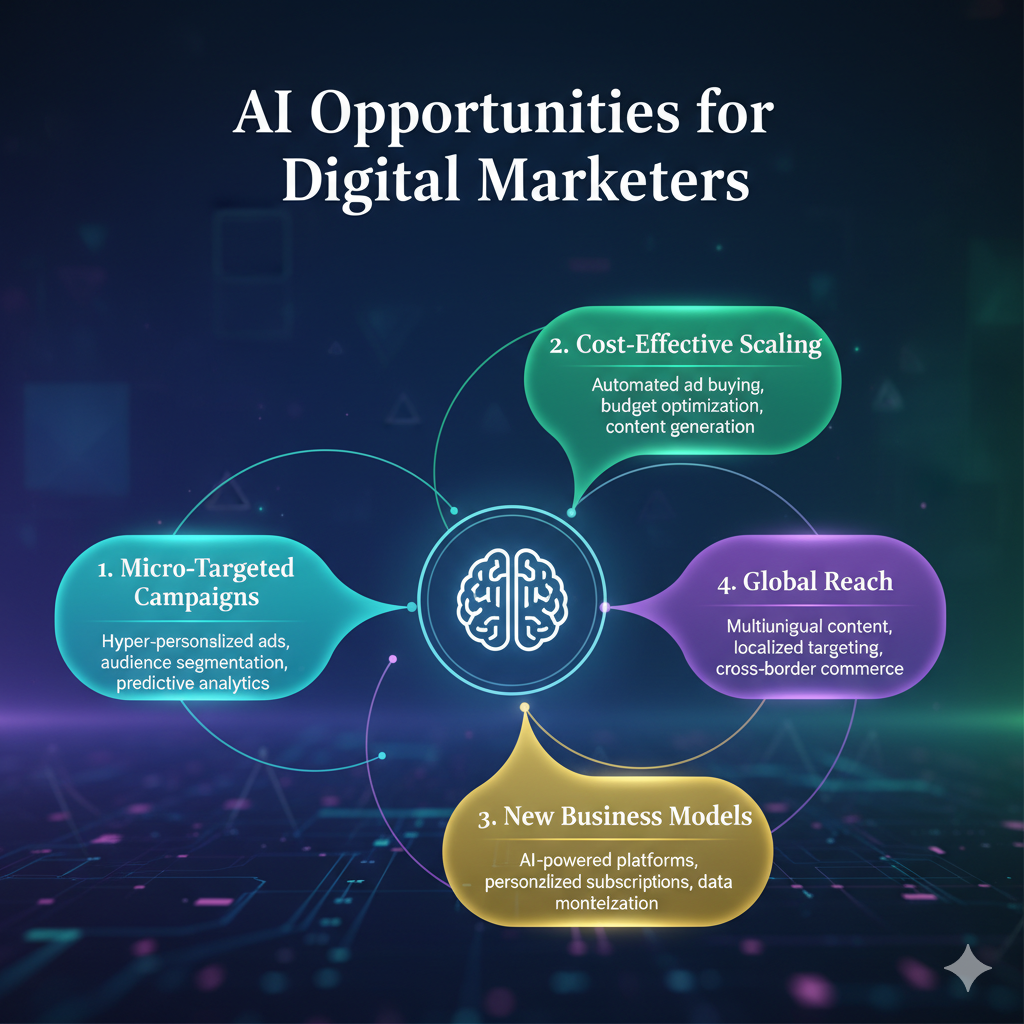
- Micro-Targeted Campaigns: Reach niche audiences more accurately than ever before.
- Cost-Effective Scaling: Small teams can run campaigns that once required dozens of people.
- New Business Models: AI tools allow freelancers and small agencies to compete with larger players by offering advanced analytics, automation, and creative solutions.
- Global Reach: AI translation and localization tools help marketers break into new markets with less friction.
Instead of erasing jobs, AI often reshapes them — moving marketers from repetitive tasks to higher-level creative and strategic roles.